
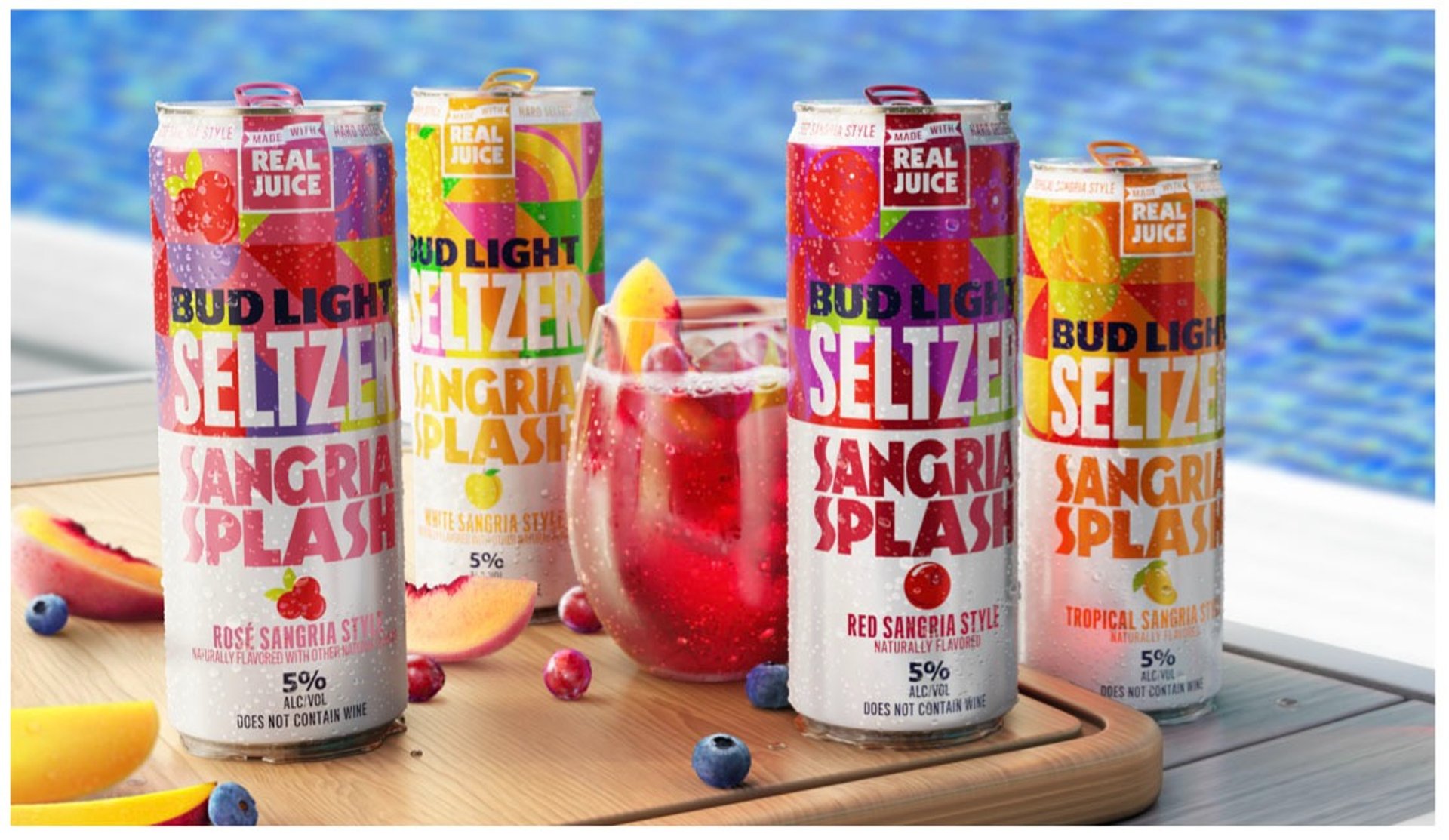
From Brand Consistency to a Retail eCommerce Engine
How a CGI governance system built to solve a consistency problem earned the mandate to power Anheuser-Busch's eCommerce presence across major national retailers, producing 66,000+ on-brand assets over six years.
CASE STUDY · ANHEUSER-BUSCH
66,000+
On-brand assets produced
New products supported annually
System in active production
1,500+
6 years
25+
Major retailers supported
THE CHALLENGE
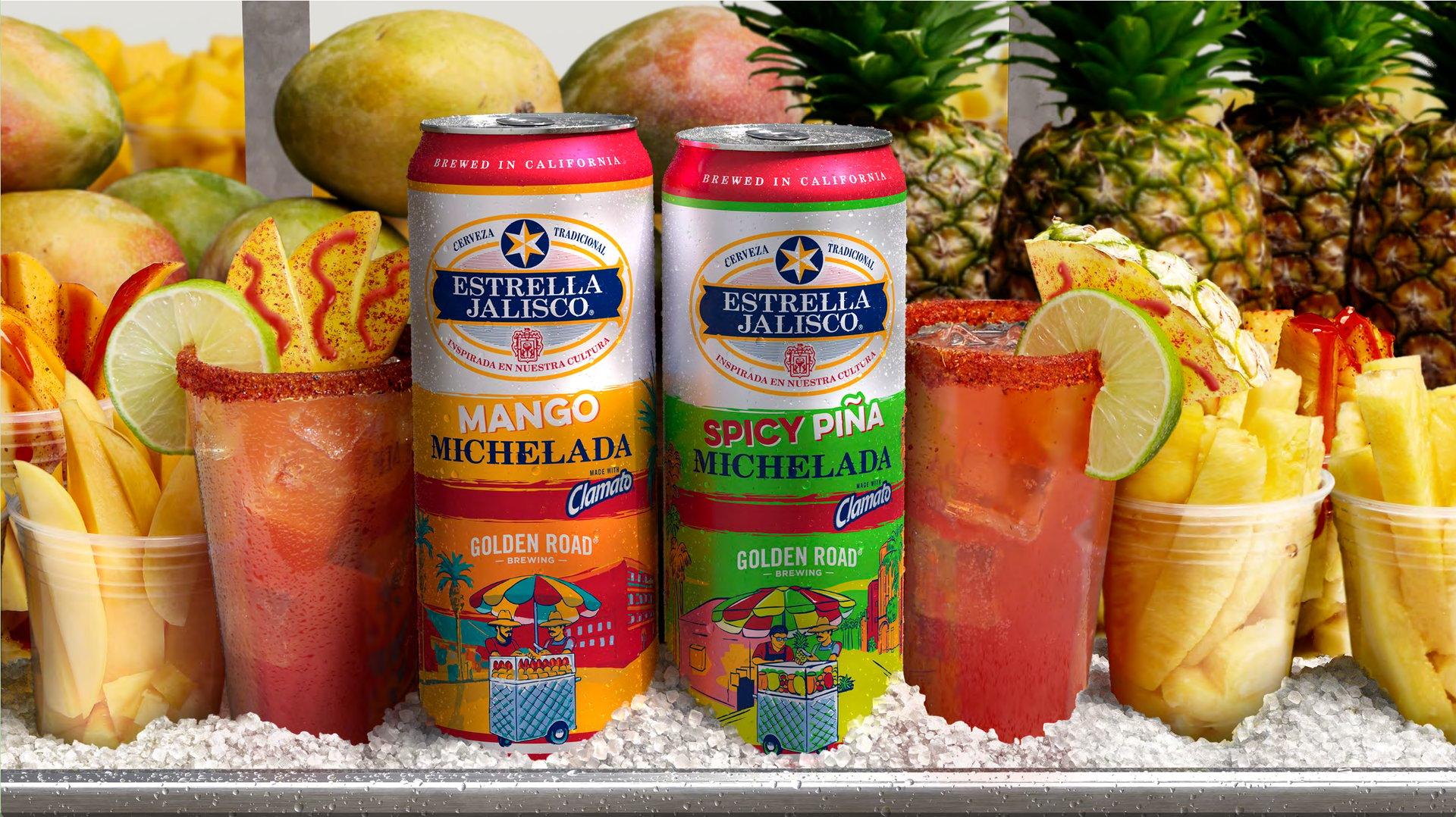
Anheuser-Busch was operating one of the most complex product portfolios in the beverage industry. Hundreds of SKUs across multiple brands, expanding every year, executed across packaging, print, digital, social, eCommerce, and in-store. Every channel had its own production path. Every agency had its own interpretation. The result was predictable: the same product looked subtly different across packaging, retail, and digital, and the brand was losing visual coherence at exactly the moment digital channels were becoming primary.
The business problem was not creative quality. It was governance. Without a single source of visual truth, brand consistency would continue to erode as the portfolio expanded, and production costs would keep climbing as teams repeatedly recreated assets that already existed elsewhere.

THE STRATEGIC DECISION
The traditional answer was to tighten the brand guidelines and hope for better compliance. I recommended a different approach. We rebuilt the foundation.
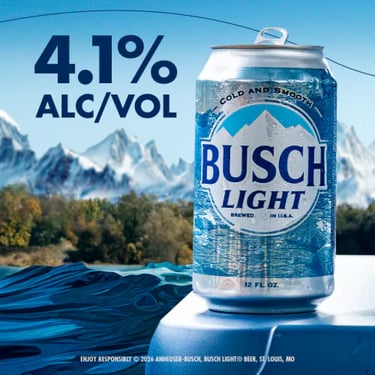
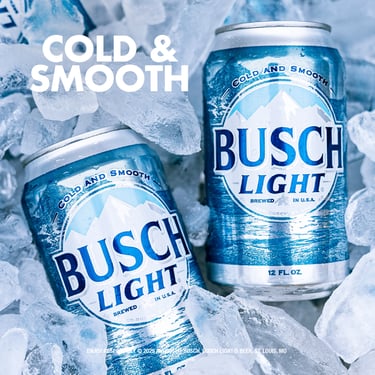
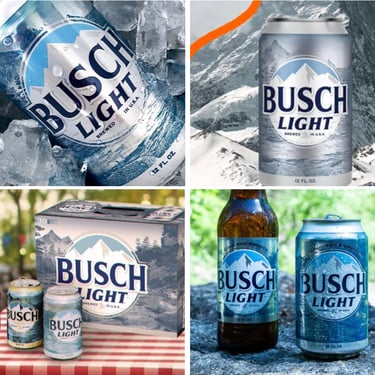
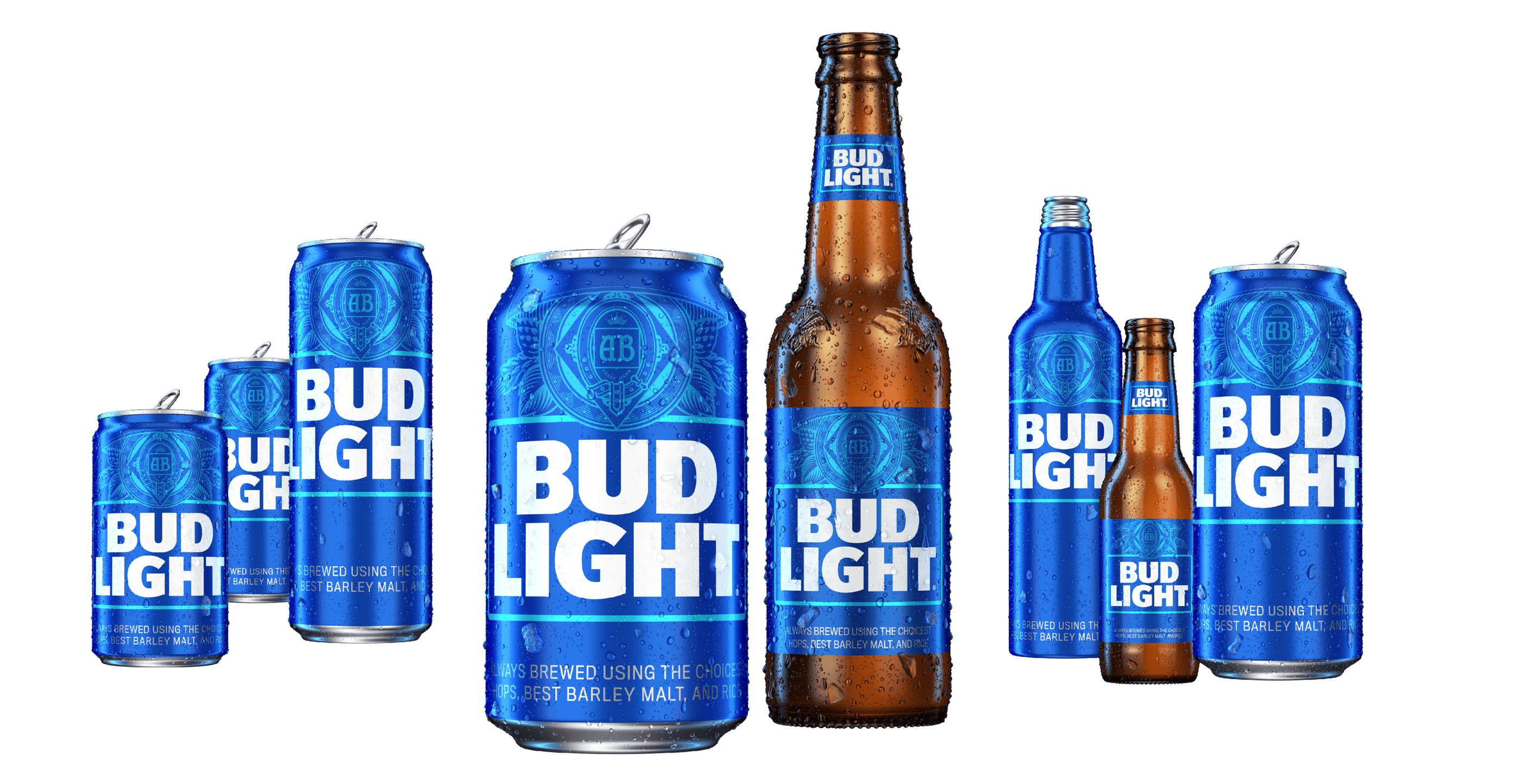
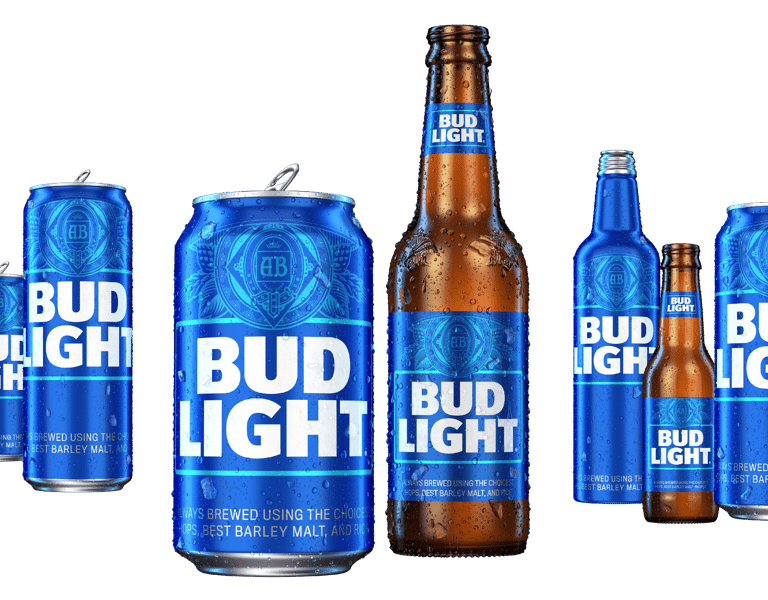
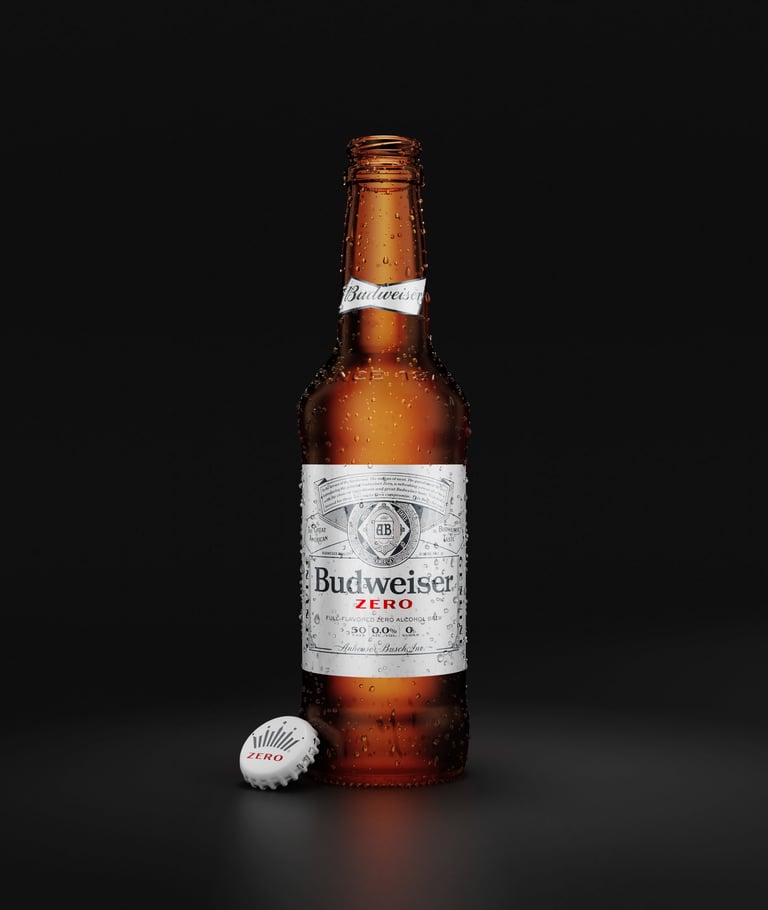
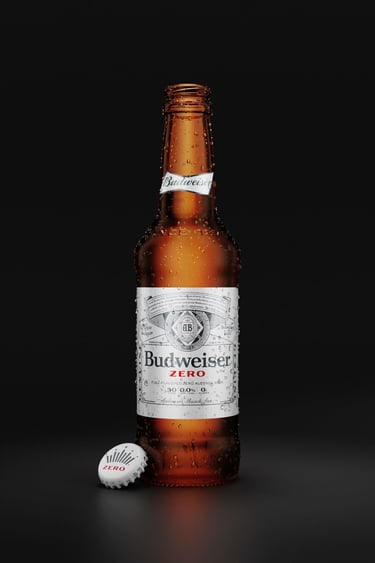
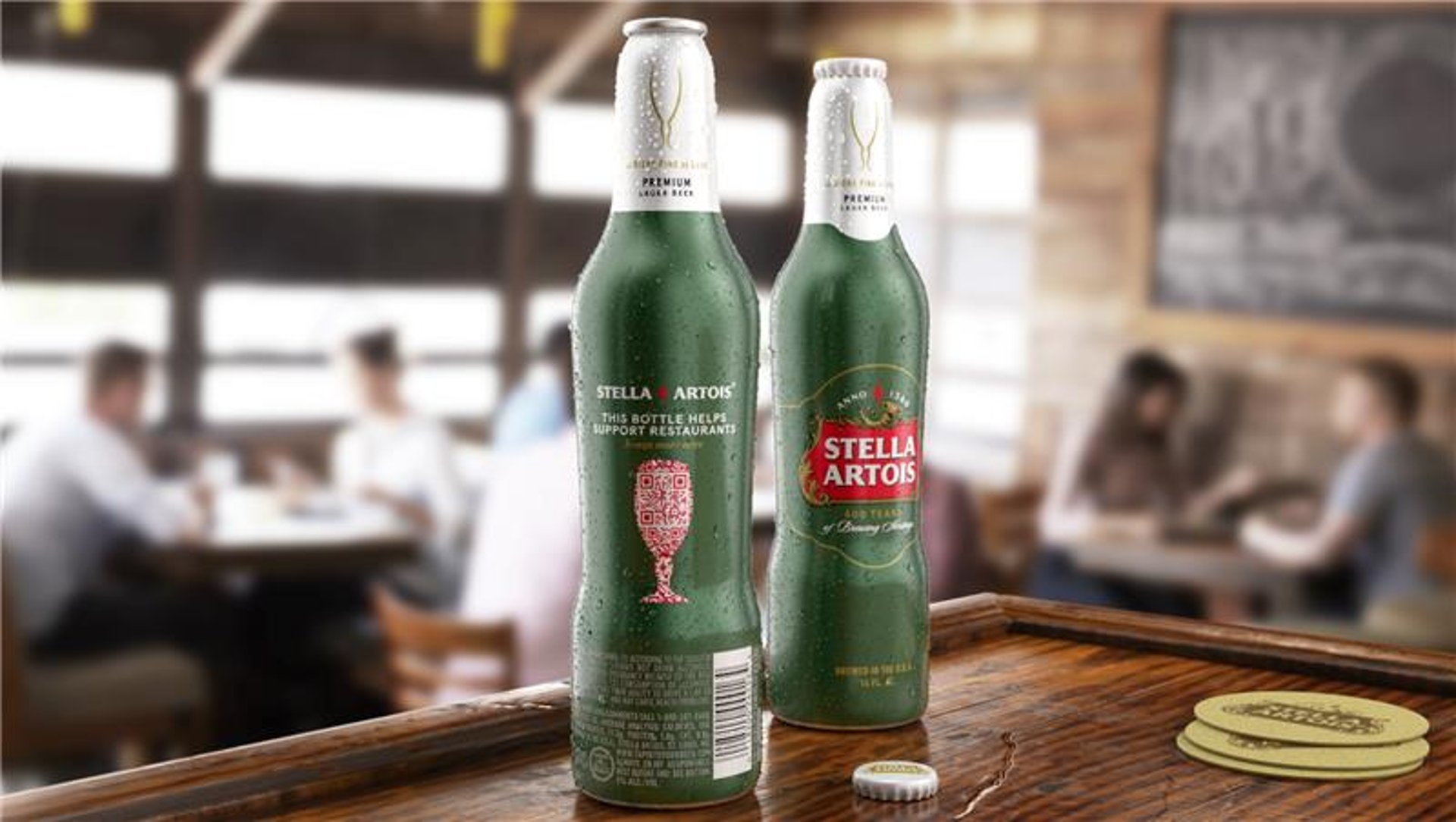
We made the decision to convert the entire product portfolio to CGI, not as a production tactic but as a governance strategy. CGI gave us something photography never could: a single, owned, infinitely reusable visual source of truth for every product, controllable to the pixel and reproducible across every medium and market.
That decision carried real risk. Conversion at this scale required significant upfront investment, executive buy-in, and a multi-year commitment from teams comfortable with photography-based workflows. Selling the strategy meant reframing CGI as brand infrastructure rather than a creative preference, and proving the long-term cost curve and consistency gains would outweigh the short-term disruption.
What follows is how that decision played out over three phases, each one earning the next.
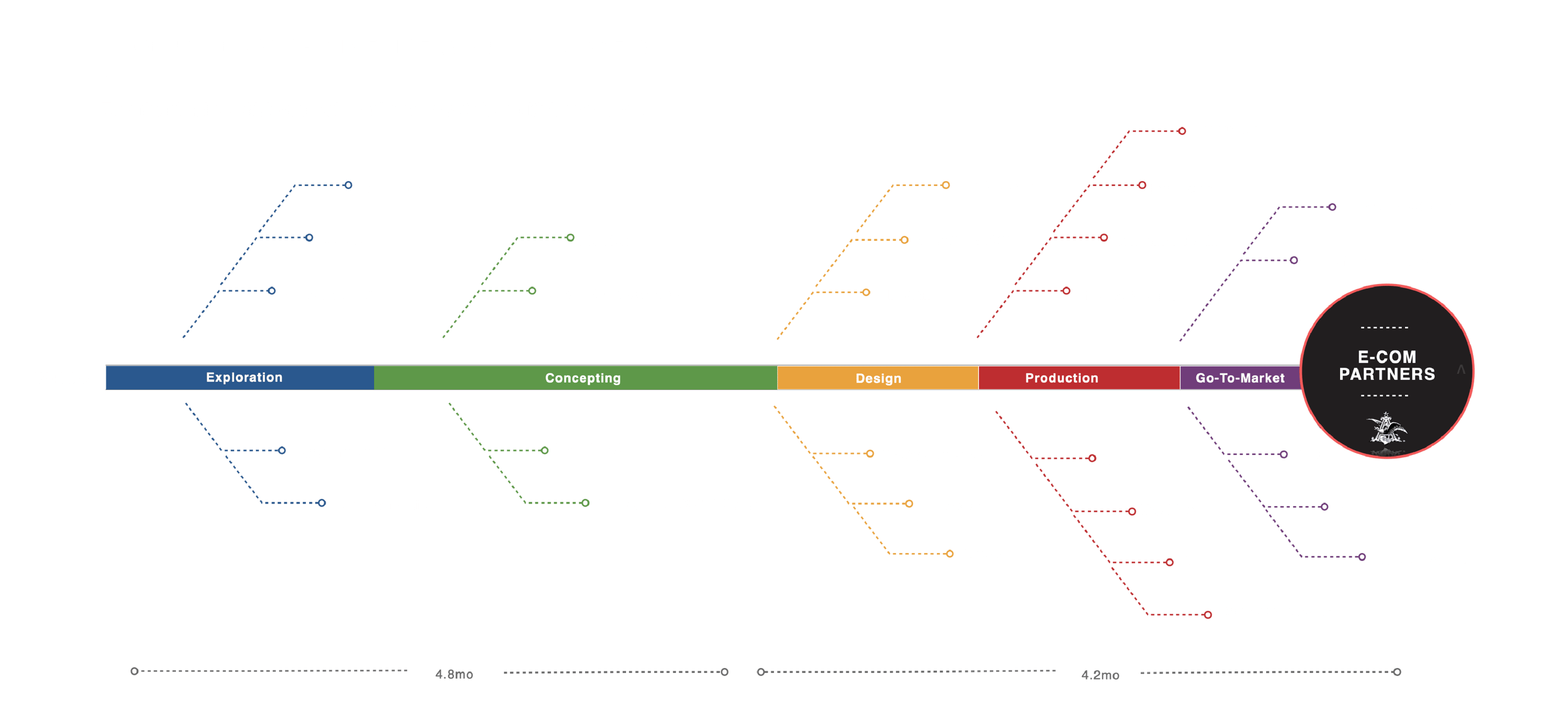
PHASE 1: ESTABLISHING
THE FOUNDATION
I built a comprehensive style guide and imagery standards system that defined every variable for every product family: lighting, angles, environments, packaging treatment, supporting elements, and brand expression rules. Alongside it, I designed the review and approval architecture that kept the system honest, so every asset moved through a defined governance path with clear ownership and quality checkpoints.
The outcome of Phase 1 was a single source of visual truth. For the first time, every product looked identical across every medium and market, and the standards were specific enough to govern execution while remaining flexible enough to scale.
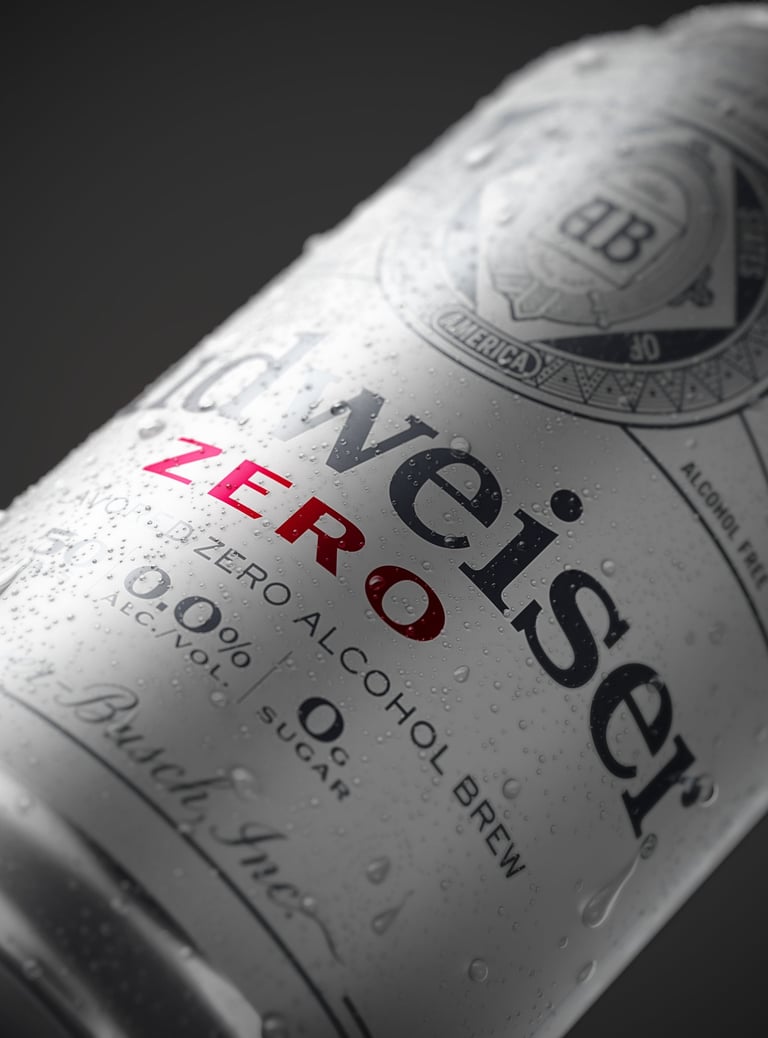
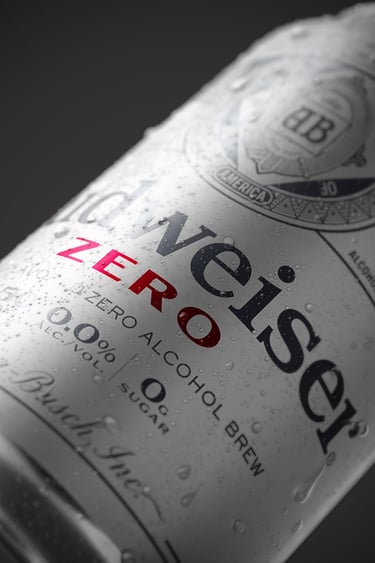
The first phase was about control. We converted the product portfolio to CGI and built the governance system that would protect it.
PHASE 2:
BUILDING THE ASSET SYSTEM
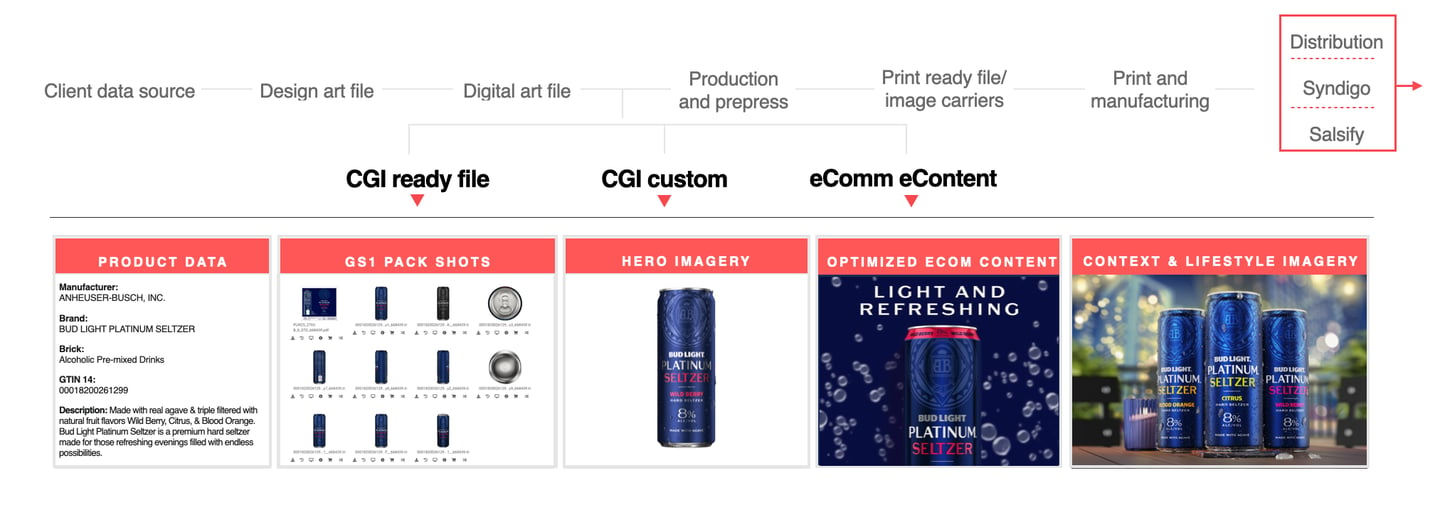
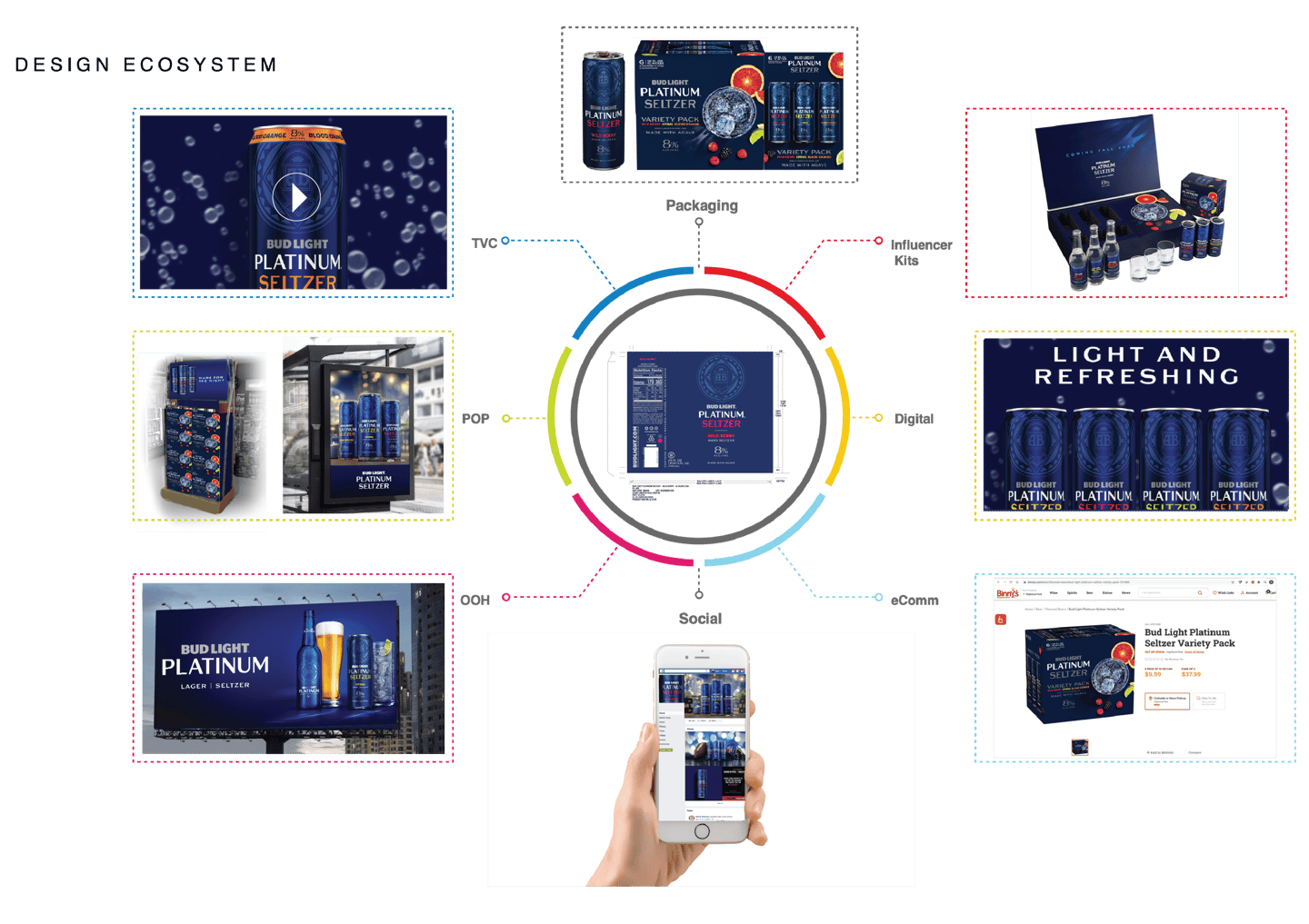
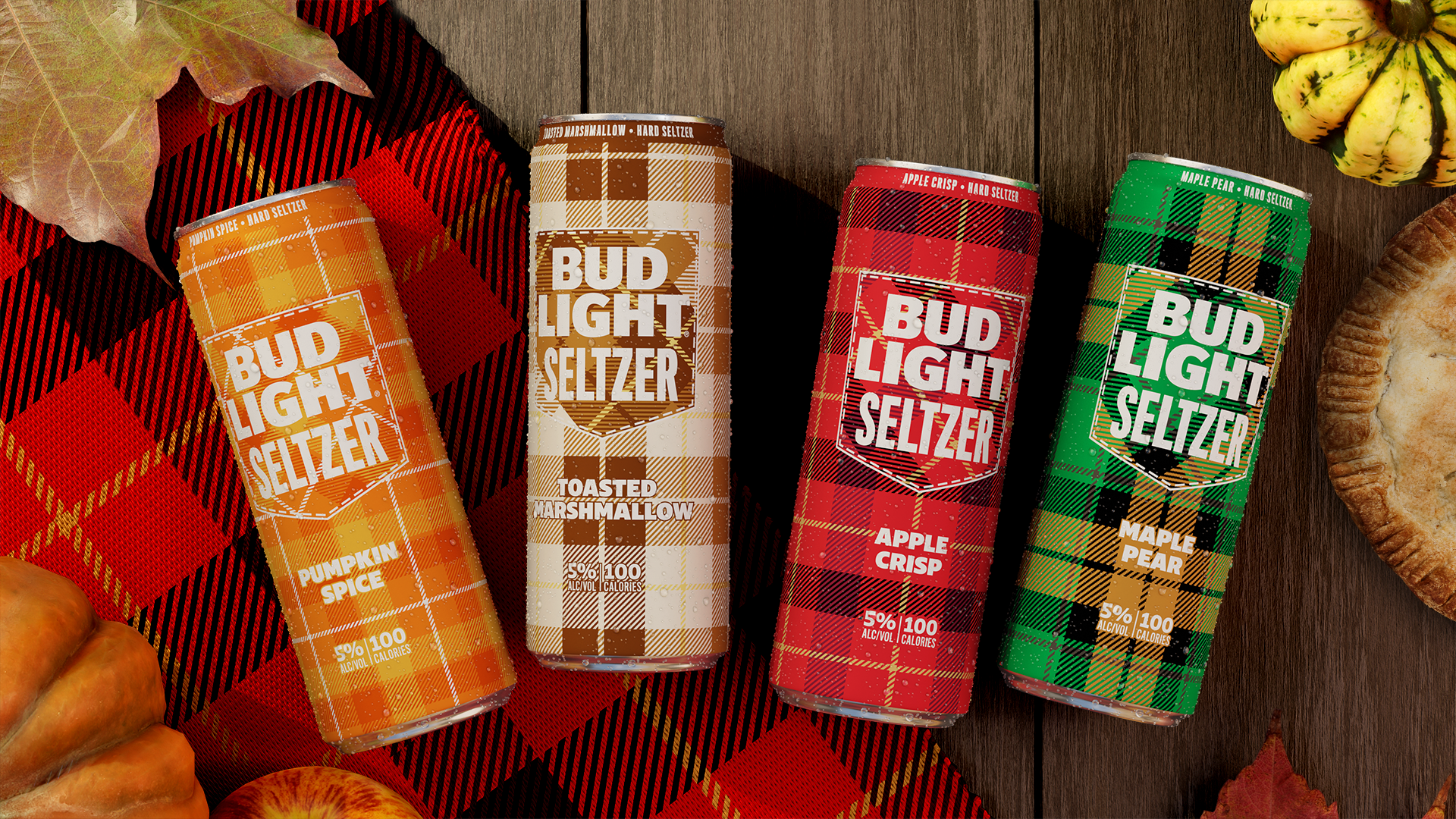
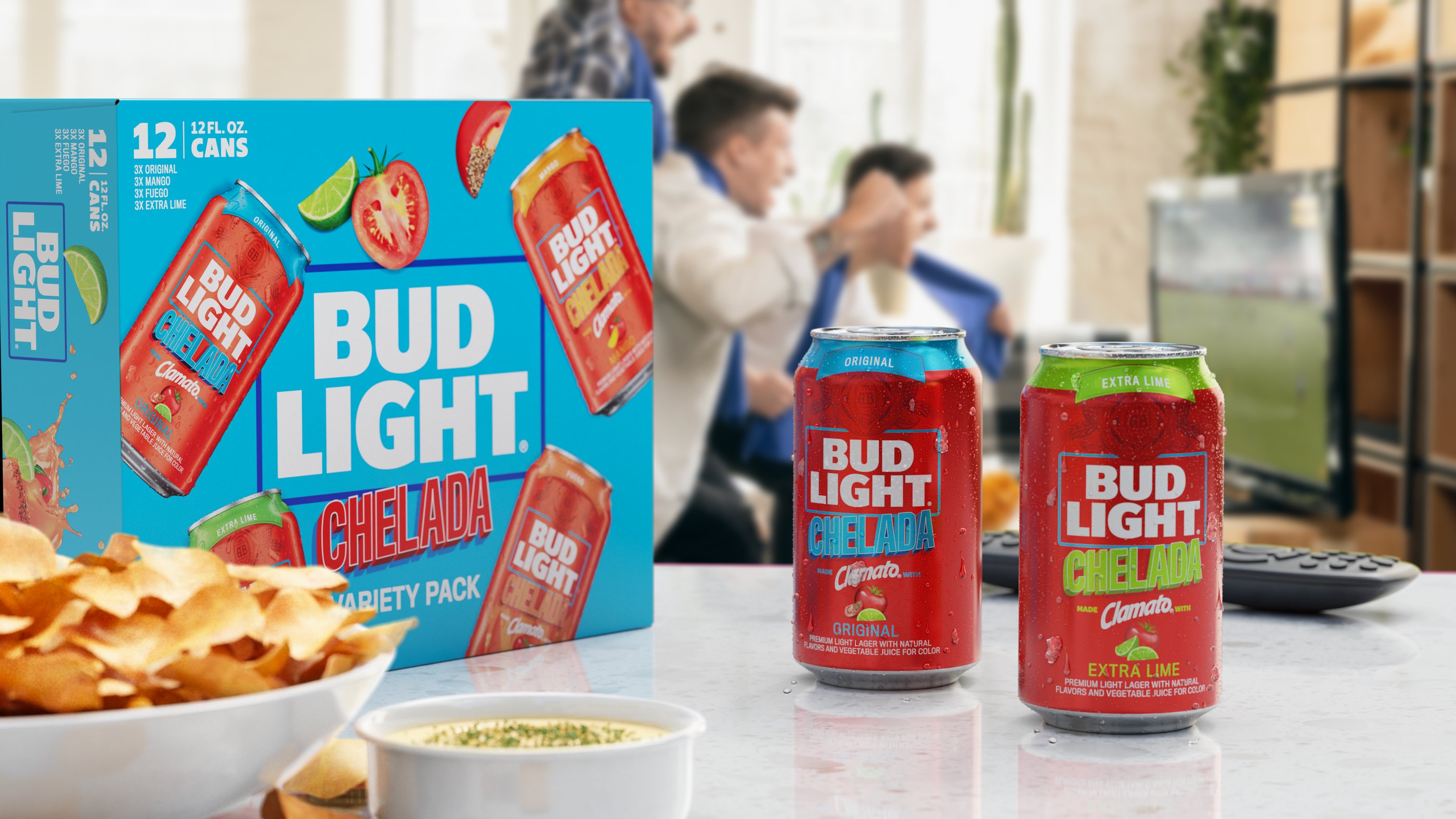
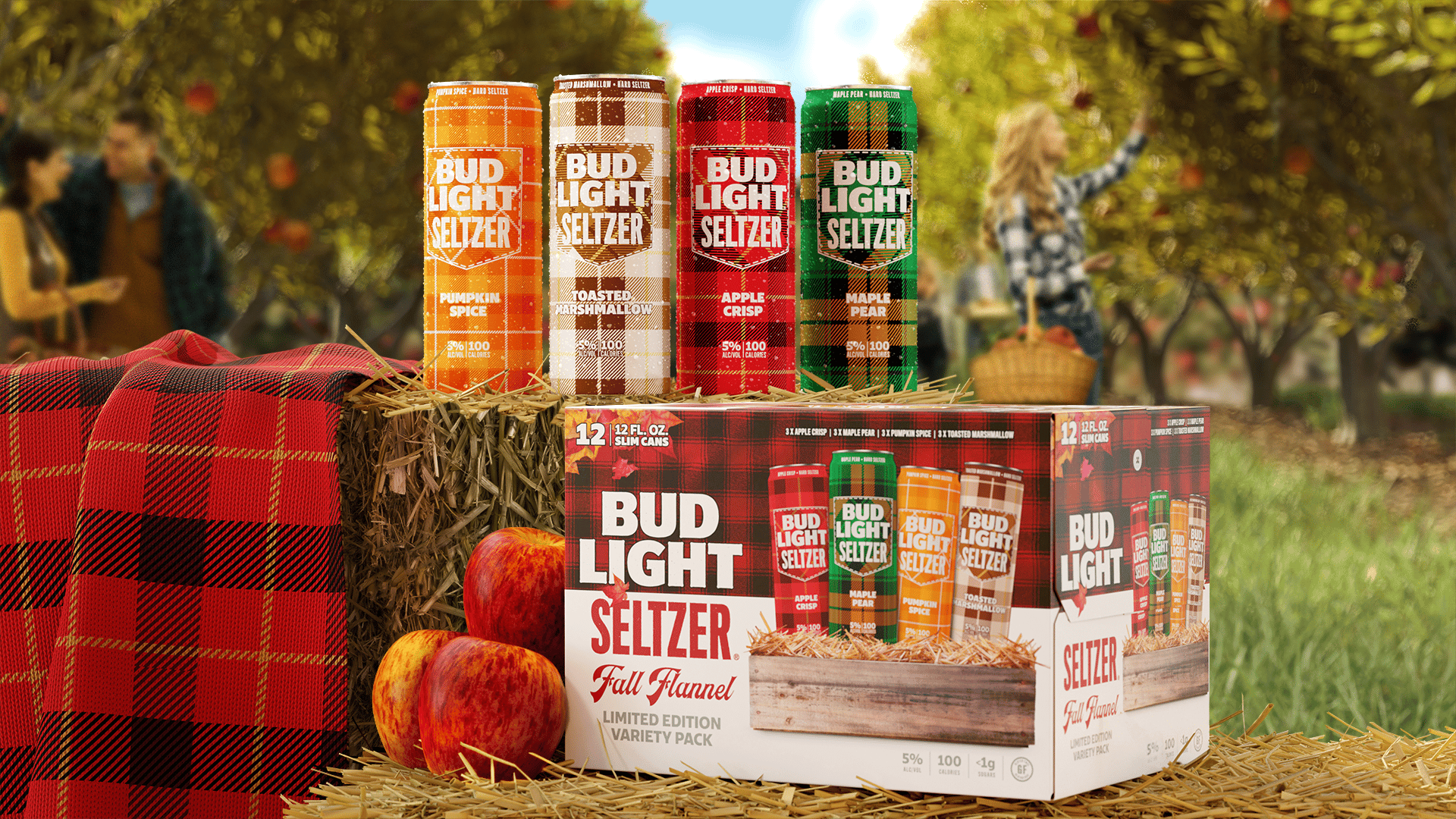
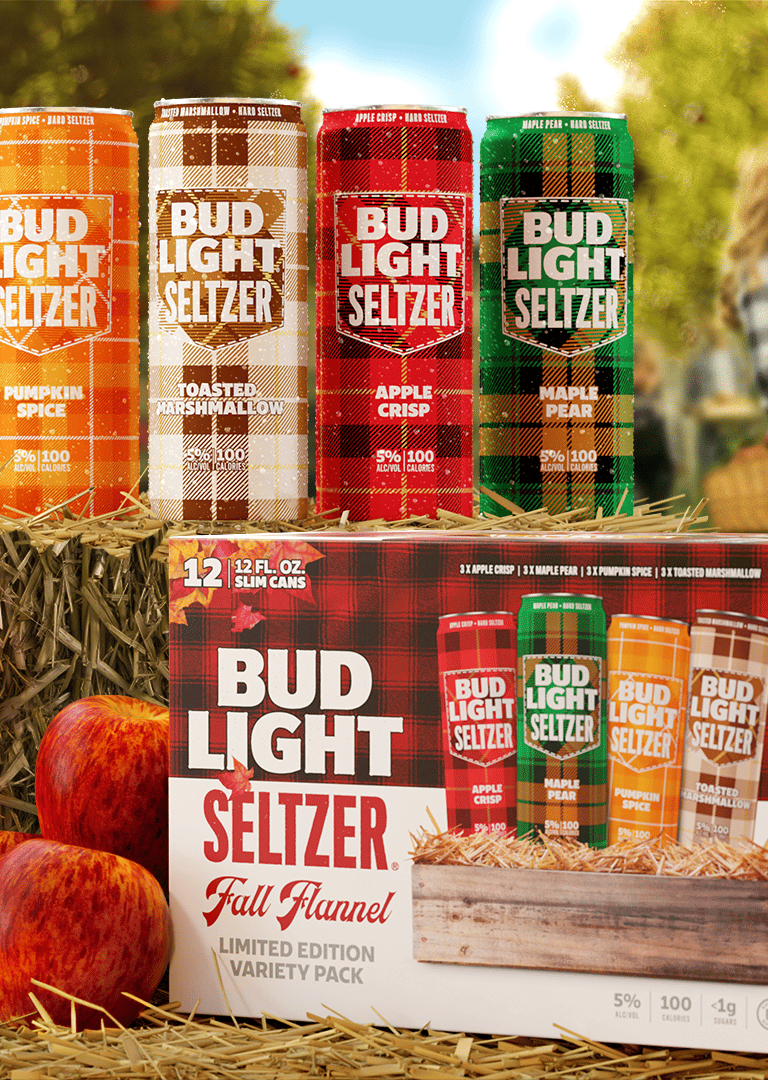
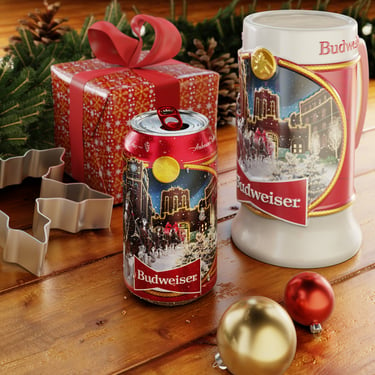
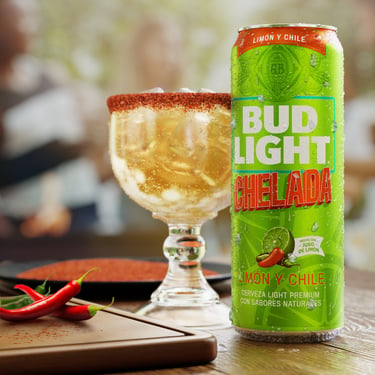
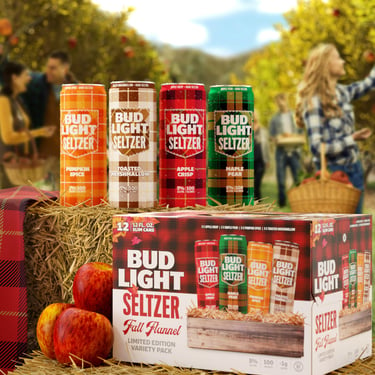
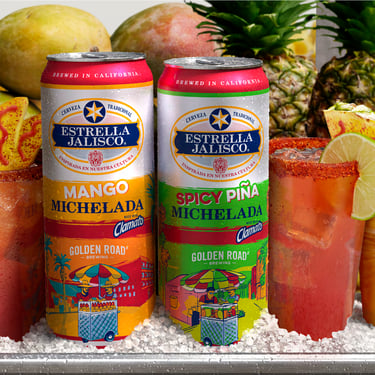
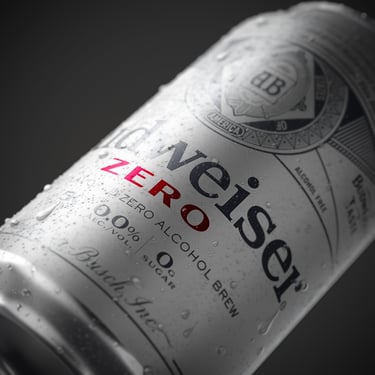
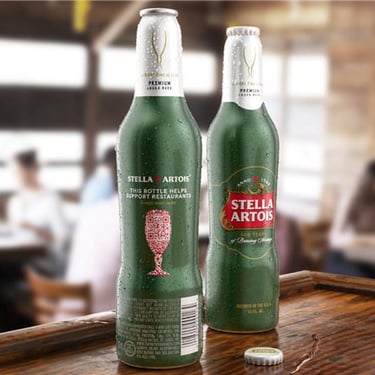
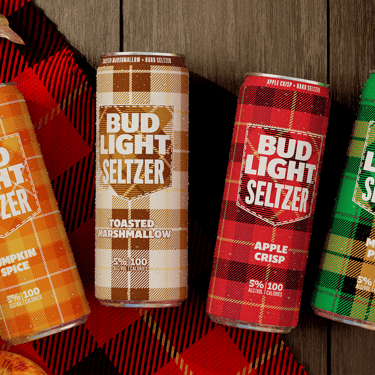
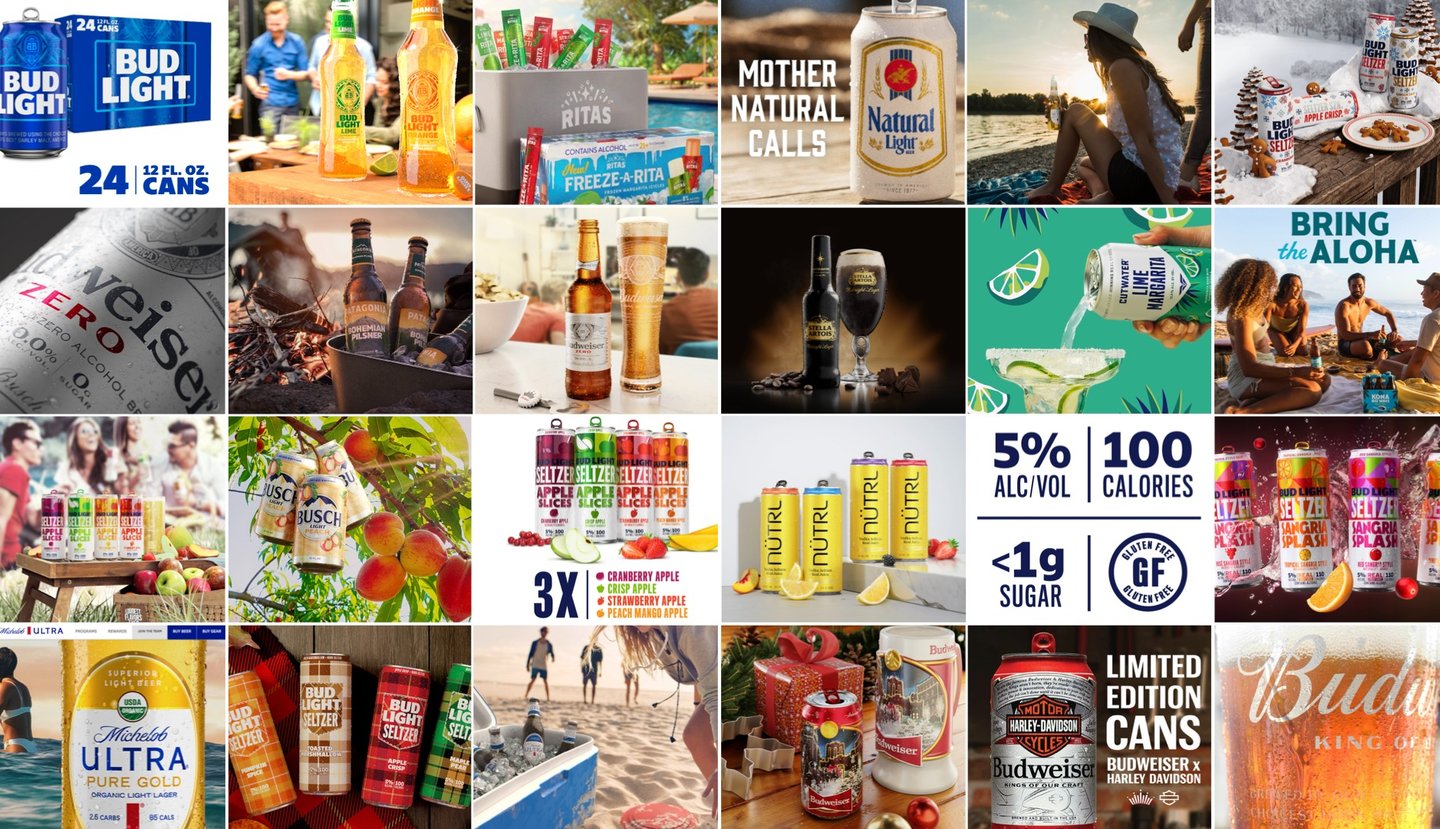
With the CGI foundation in place, we built a system that turned every product asset into a flexible toolkit. A single governed source render could be repurposed across pack shots, hero shots, contextual lifestyle imagery, and animation, without reshooting or rebuilding. One asset, many executions, all on-brand.
We organized this into a go-to-market playbook: a structured library and a repeatable process that mapped asset types to channel needs, so teams could move from new-product briefing to full multi-channel rollout quickly and consistently. The playbook turned content production from a series of one-off projects into a scalable, governed operation.
A consistent asset is valuable. A versatile one is strategic.
PHASE 3: EARNING THE eCOMMERCE MANDATE
By year three, the system had proven itself, and the client expanded our remit dramatically. We won the opportunity to build and own the entire eCommerce strategy and execution for Anheuser-Busch across major national retailers.
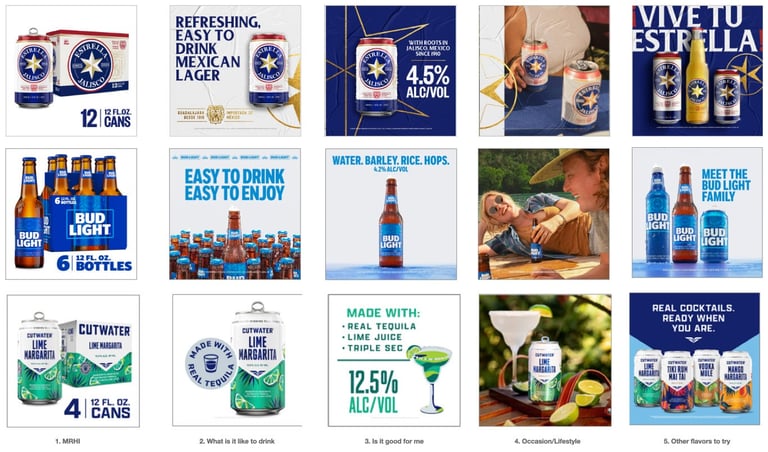
This was a different kind of challenge. Each major retailer (Target, Walmart, and others) had its own content requirements, formats, and standards. Selling a product across all of them meant building a system that could produce retailer-ready content at volume without losing brand integrity on any single platform.
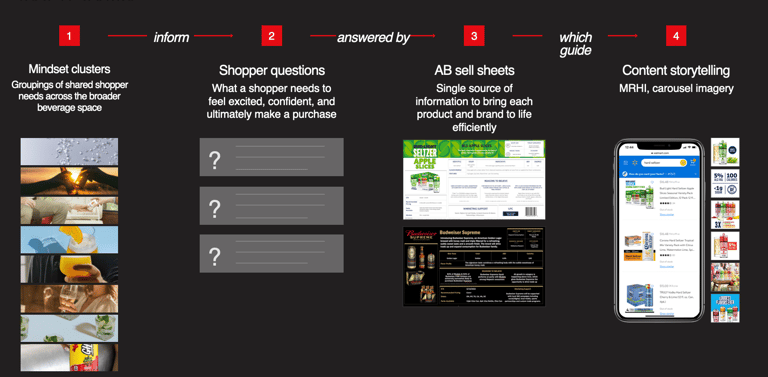
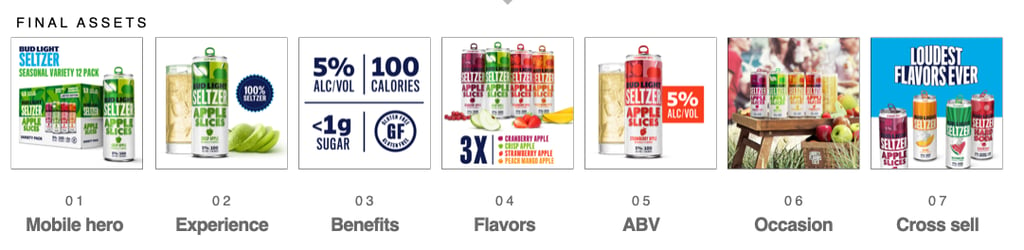
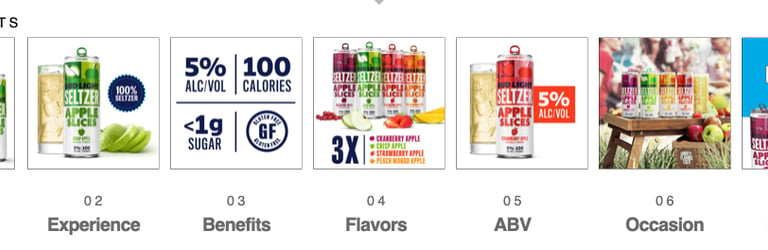
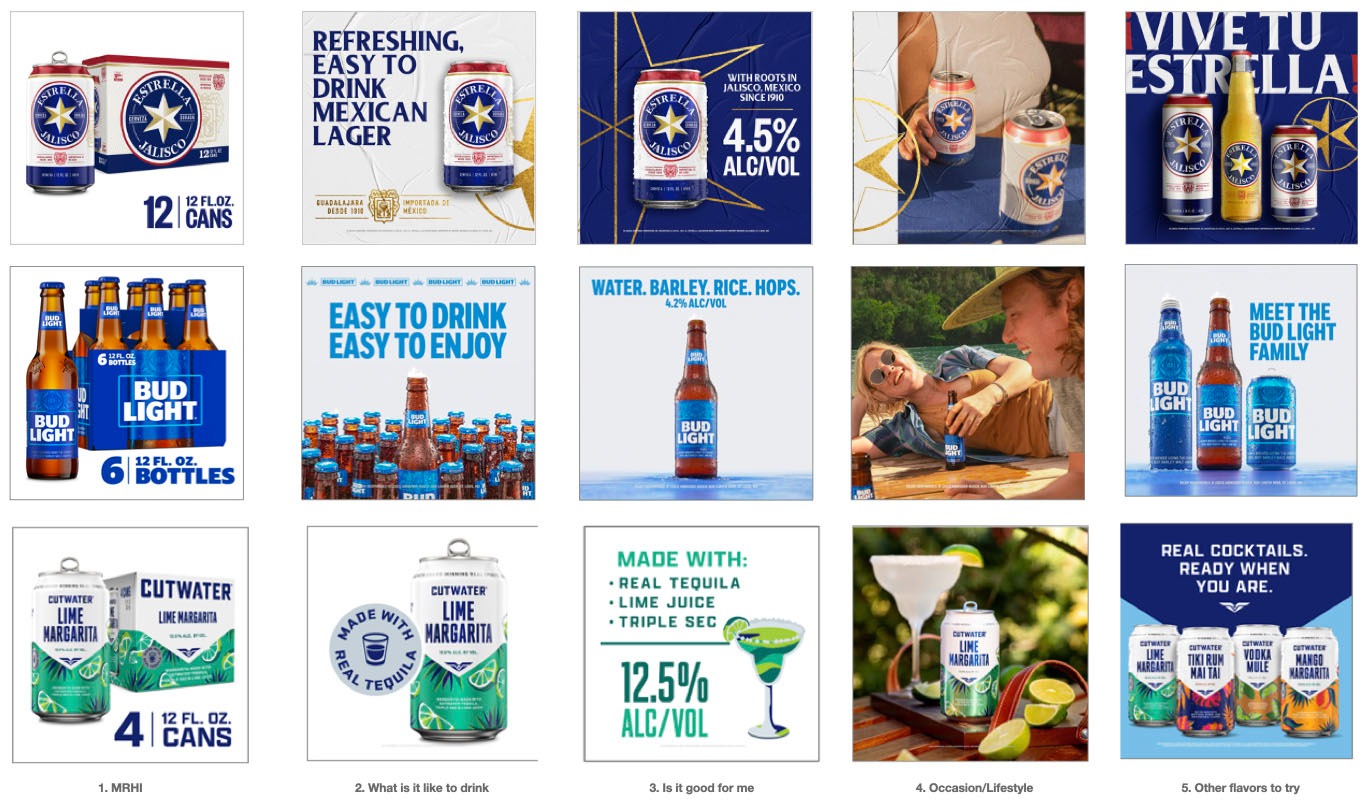
I led the development of a productized content system built around branded 7 to 9 image bundles, a complete, standardized content set for each product, engineered to meet retailer specifications while holding Anheuser-Busch's brand standards across every placement. The system was designed for high-volume rollout: repeatable, governed, and scalable across the portfolio.
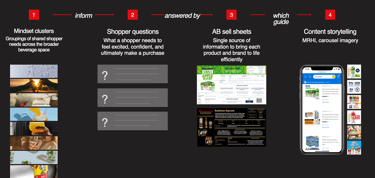
eCommerce Strategy
THE RESULTS
A single source of visual truth across the enterprise.
Every product across the Anheuser-Busch portfolio rendered consistently across packaging, retail, digital, and social, eliminating the visual fragmentation that had been the original business problem.
66,000+ on-brand assets produced over 6 years.
Not a vanity number. Each asset moved through the governance system without breaking standards, proving the architecture could absorb volume without quality drift.
1,200 to 1,800 new product launches supported annually.
The system scaled with the business rather than constraining it, a critical proof point for a company launching new SKUs at high velocity.
An expanded mandate: full retail eCommerce ownership.
What began as a consistency project earned the team responsibility for Anheuser-Busch's eCommerce content strategy and execution across major national retailers, the clearest possible proof that the system delivered business value.
WHAT THIS WORK DEMONSTRATES
Brand governance is not a document problem. It is a systems problem. The brands that hold their visual integrity at scale are not the ones with the strictest guidelines. They are the ones that build the production infrastructure, the approval architecture, and the operational discipline to make those guidelines actually hold under volume.
But the deeper lesson of this engagement is what good systems make possible. A governance system built to solve a consistency problem earned the trust to own an entire retail eCommerce strategy. That is the pattern I bring to enterprise creative leadership: build the architecture that solves the immediate problem so well that it creates the next, bigger opportunity, and have the operational depth to deliver when that opportunity arrives.

TEAM CREDIT
This work was made possible by a talented cross-functional team: Brent Thoman, Ryan Schuman, José Padilla, Kelley Vertis, Connor Carmody, David Merz, Adam Sarosy,
Peter Davis, Karl Brower, and Dean Jones.